Contracts in public procurement often remain rigid and compartmentalised, encouraging claims from the moment they are signed. The result? Adversarial strategies and a proliferation of claims and disputes that slow projects down.
Yet traditional Contract Management focuses on compliance with obligations and handling deviations, without really anticipating risks or smoothing execution.
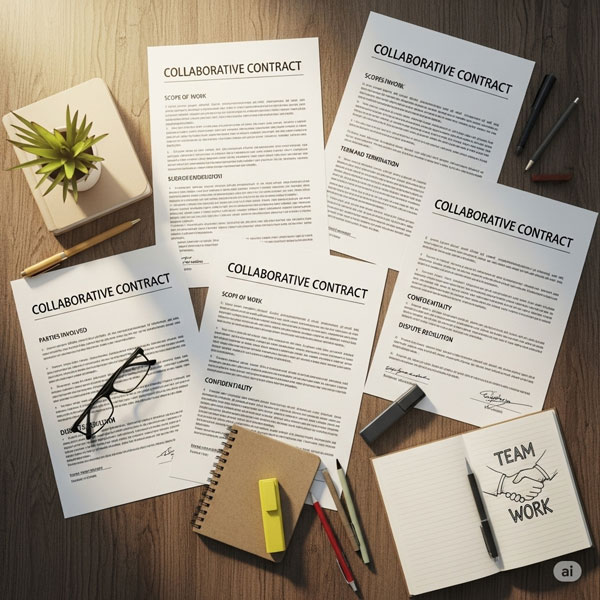
As railway projects grow more complex, it is becoming essential to adopt collaborative contracts: these models foster cooperation, transparency and shared risk management to secure projects.
Collaborative Contract Management: Steering Projects Better
Effective contract management is not limited to monitoring the contract; it must actively steer its execution. Here are the key levers to achieve this:
Involve the Contract Manager from the Start. Why? Involving the contract manager from the negotiation and structuring phase of the contract is essential to ensure that the principles of collaboration are properly defined and applied.
How?
– Translate collaborative principles into clear, enforceable contractual obligations.
– Align expectations between the parties from Early Contractor Involvement (ECI).
– Define a flexible contractual framework to anticipate and manage changing needs and risks
Set Up Dynamic Governance
Why? A collaborative contract without regular monitoring remains a contract on paper. Commitments must be actively managed and problems resolved in real time.
How?
Regular steering committees with all stakeholders.
– Shared risk management with a register accessible to all.
– Performance-oriented contractual reporting, not just compliance.
TraINsolutions supports project governance in implementing collaborative contracts and tools adapted to infrastructure projects. Ready to take the next step?